PLANNING A HEALTHY LIFESTYLE
Meal Preparation Tips
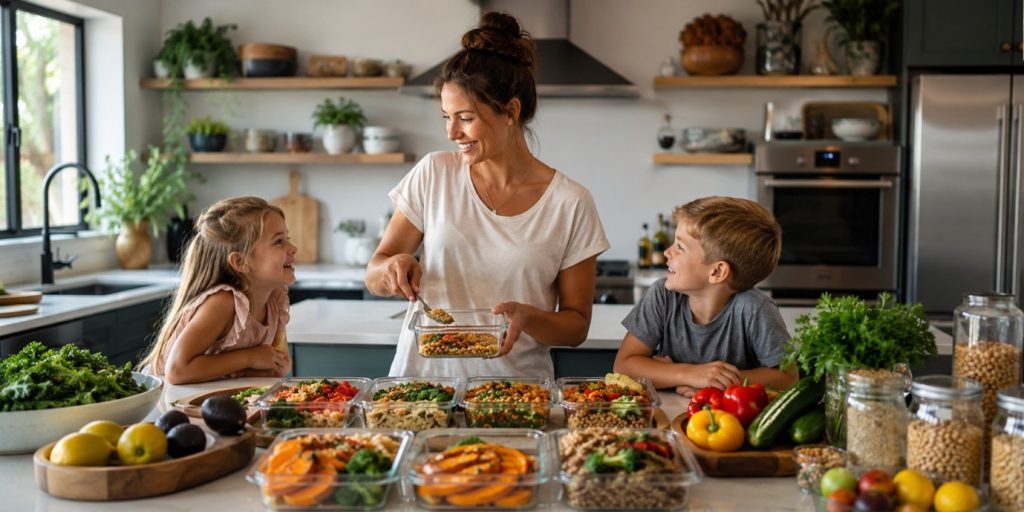
Modern life is busy. Many of us are juggling full-time careers while also raising children, managing a household, and trying to find time for ourselves. Previous generations often had the advantage of sharing these responsibilities, but for many families today, that simply isn’t possible.
So, what do we do? We juggle! And unfortunately, cooking is often the first thing to be sacrificed.
This is one of the biggest mistakes we can make. Looking after your own health, and that of your loved ones, should always be a priority. With a little planning and organisation, preparing healthy, wholesome, home-cooked meals can become part of your weekly routine instead of another daily chore.
If you’re a parent, remember that your children are learning from you every day. The eating habits you model today are likely to shape the choices they make for the rest of their lives. Teaching healthy habits now is one of the greatest investments you can make in their future health.

The Benefits of Meal Preparation
Meal preparation saves time and effort, reduces food waste, saves money, and decreases the temptation to grab whatever is quickest when you arrive home, tired and hungry.
Planning your meals in advance also gives you complete control over the ingredients you use. This makes it easier to choose healthier foods, manage portion sizes, and create balanced meals for the whole family.
Spending just three to four hours preparing food over the weekend can reduce your weekday cooking time to less than an hour a day. The secret lies in planning ahead, simplifying your meals, and streamlining your cooking routine.
Meal Prep in Five Simple Steps
- Plan your meals.
- Write your shopping list.
- Shop once.
- Prepare ingredients in batches.
- Mix and match meals throughout the week.
- Plan Your Menu
Plan your meals during the week for the following week. Whenever you come across a recipe or think of a meal that suits your family’s needs, write it down. Before long, you’ll build your own foolproof collection of favourite recipes that work well for your lifestyle.
Once your menu is planned, writing a shopping list becomes quick and easy, helping you avoid unnecessary trips to the supermarket.
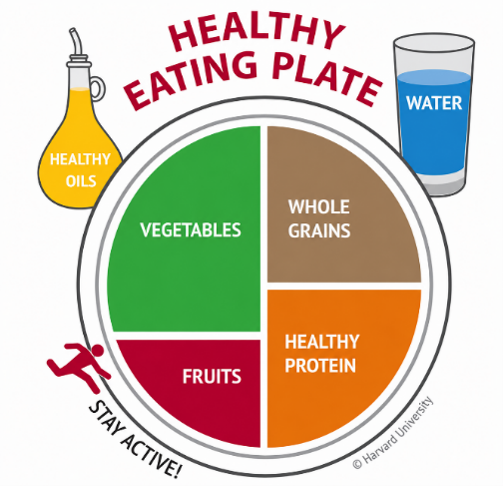
When planning your meals, keep the Harvard Healthy Eating Plate in mind. It provides an excellent guide for building balanced, nutritious meals.
Tip: One of my favourite sources of meal preparation inspiration is The Girl on Bloor, which offers practical recipes specifically designed for meal prepping.
- Choose Your Building Blocks
Start by planning your protein sources to avoid eating chicken every day! Include a variety of lean meats, fish, eggs, dairy, legumes, lentils, beans, tofu, and other plant proteins throughout the week.
Next, add whole-grain carbohydrates such as brown rice, quinoa, bulgur wheat, wholewheat pasta, or sweet potatoes, followed by plenty of colourful vegetables.
Breakfast can also be prepared ahead of time. Overnight oats and chia puddings are nutritious, highly customisable, and ideal grab-and-go breakfasts. Simply top them with frozen berries, nuts, seeds, or a spoonful of nut butter.
For lunch, prepare grain bowls using cooked quinoa, brown rice, or barley, combined with roasted vegetables, salad greens, chicken, beans, tofu, or boiled eggs. Finish with herbs, seeds, or a homemade dressing for a balanced and satisfying meal.
- Double Up on Pot Sizes
Whenever you’re cooking, make extra!
Cook a large batch of mince and freeze portions for future meals. Prepare double quantities of soups, stews, casseroles, curries, or pasta sauces so that one meal becomes two.
My personal favourite? We’re South Africans, and we love a braai! While you’re already cooking, throw a few extra chicken breasts, steaks, or pork chops on the fire. Remember to slightly undercook steaks, as they’ll continue cooking when reheated. Store everything in airtight containers or freezer bags for later in the week.
Brown rice, quinoa, and wholewheat pasta can also be cooked in larger quantities and refrigerated or frozen in meal-sized portions.
Tip: Freeze soup in coffee mugs or large cups. Once frozen, transfer the portions to resealable freezer bags. They’re perfectly sized for a quick lunch or light supper.
- Prepare Your Ingredients
Wash, peel, chop, and store fresh ingredients in airtight containers so they’re ready when you need them.
For example, if you’re using carrots today and again later in the week, prepare all of them at once. The same applies to onions, peppers, celery, broccoli, cauliflower, and many other vegetables.
Whenever possible, choose fresh, seasonal produce. Visiting your local farmers’ market regularly not only supports local farmers but also ensures you enjoy fruit and vegetables at their freshest and most flavourful.
- Make It Saucy
A delicious dressing or sauce can completely transform a simple meal.
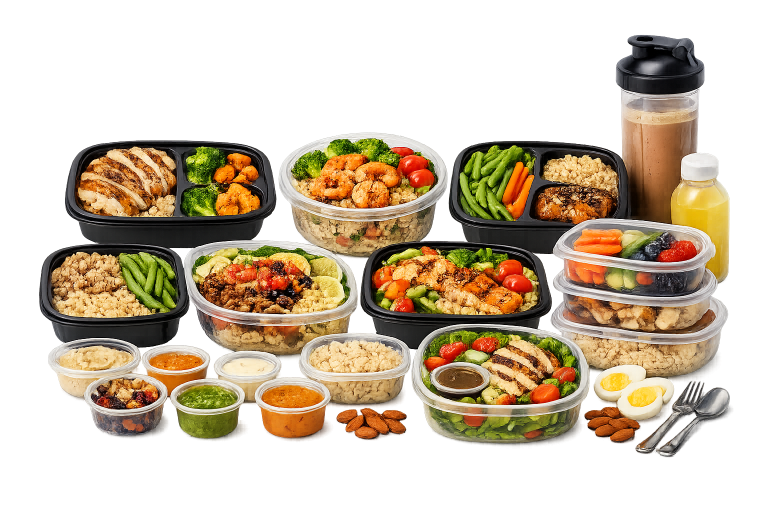
Prepare a large batch of your favourite homemade dressings using ingredients such as extra virgin olive oil, fresh lemon juice (or opt for orange juice), balsamic vinegar, honey, mustard, herbs, and garlic.
Store them in small containers so they’re always ready to drizzle over salads, roasted vegetables, grain bowls, or grilled meat.
- Keep a Well-Stocked Pantry and Spice Drawer
There’s nothing more frustrating than discovering halfway through cooking that you’ve run out of an essential ingredient.
Always keep spare supplies of your favourite herbs and spices. Experiment with flavours such as turmeric, cumin, smoked paprika, cinnamon, oregano, rosemary, thyme, and garlic powder to keep meals interesting.
Your pantry should also include everyday essentials like olive oil, butter, onions, garlic, crushed tomatoes, tomato paste, stock cubes, mustard, vinegars, canned beans, chickpeas, lentils, nuts, seeds, and whole grains.
With these basics on hand, you’ll always have the building blocks for a nutritious meal.
- Make the Most of Your Freezer
Even a small freezer can become your best friend.
Keep frozen berries for smoothies, sliced bananas, frozen peas, spinach, chicken breasts, salmon, homemade soups, casseroles, cooked grains, and sliced bread ready for busy days.
Having healthy meals and ingredients readily available makes choosing nutritious food much easier when time is limited.
- Invest in Smart Storage Solutions
A collection of sturdy, reusable, airtight containers is worth its weight in gold.
Glass containers are particularly useful because they’re microwave-safe, freezer-friendly, environmentally friendly, and ideal for transporting meals to work.
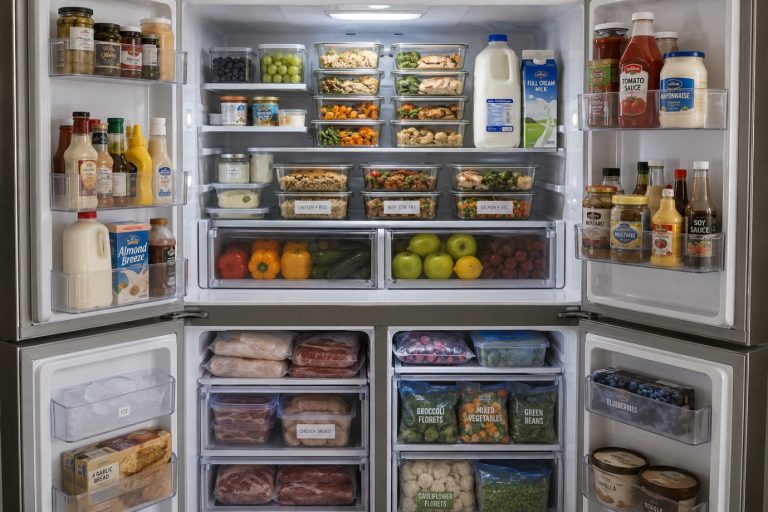
Label your containers clearly with both the contents and the preparation date.
- Store Food Safely
Food hidden at the back of the refrigerator is easily forgotten, often leading to spoilage and unnecessary waste.
Label all prepared foods with the date they were made and rotate older meals to the front so they’re used first. Store highly perishable foods, such as leafy greens, herbs, and chopped fruit, where they’re clearly visible.
Not every food freezes equally well. Cooked meals generally freeze beautifully, while foods with a high water content, such as lettuce, tomatoes, and watermelon, tend to become soft after thawing (refer to the tables below).
Blanching vegetables for three to five minutes before freezing helps preserve their colour, flavour, and texture. Even if thawed vegetables become slightly softer, they’re still excellent for soups, stews, casseroles, and pasta sauces.
Recommended Storage Times
Refrigerator (4°C or below)
| Food | Storage Time |
|---|---|
| Cooked minced poultry or beef | 1–2 days |
| Cooked meat, poultry and fish | 3–4 days |
| Soups and stews | 3–4 days |
| Cooked beans and hummus | Up to 5 days |
| Hard-boiled eggs | Up to 1 week |
| Chopped vegetables (airtight container) | Up to 1 week |
| Soft cheese (opened) | Up to 2 weeks |
| Hard cheese (opened) | 5–6 weeks |
Freezer (-18°C or below)
| Food | Storage Time |
|---|---|
| Soups, stews and cooked beans | 2–3 months |
| Cooked meat and poultry | 3–6 months |
| Frozen berries and chopped fruit | 6–8 months |
| Blanched vegetables | 8–12 months |
- Use Time-Saving Equipment
Kitchen appliances can dramatically reduce meal preparation time.
An air fryer, food processor, slow cooker, pressure cooker, and even a vegetable slicer and chopper can make preparing healthy meals faster, easier, and far less stressful.
Choose the tools that best suit your lifestyle and cooking habits while considering storage space and usage frequency.
Remember…
Meal preparation is there to support you, not to control you. Life happens. Plans change. Some evenings you’ll simply feel too tired to cook, and that’s perfectly okay.
The goal isn’t perfection; it’s consistency. Every healthy meal you prepare is another step towards better health. A well-stocked fridge and freezer simply make it easier to get back on track the next day.
Healthy eating doesn’t have to be complicated. With a little planning today, you’ll enjoy less stress, more time, and healthier meals throughout the week.