
Metabolic Syndrome
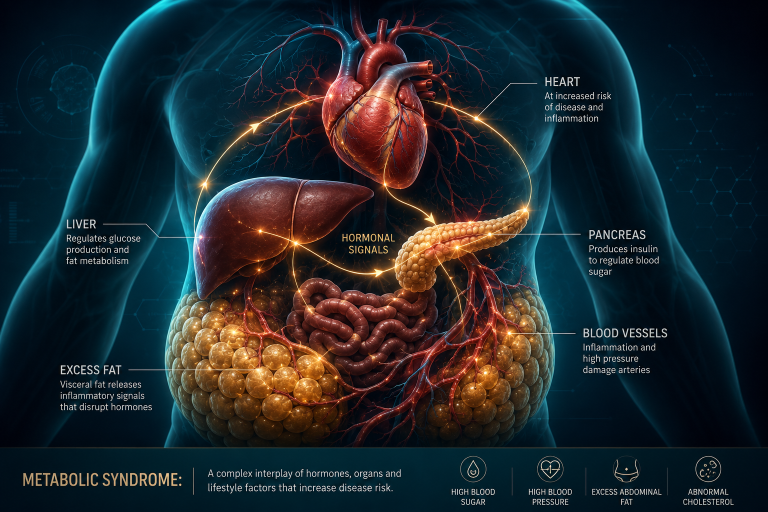
Metabolic syndrome isn’t a single isolated disease. Instead, it is a complex, interconnected cluster of metabolic risk factors, including high blood pressure, elevated blood sugar, excess body fat around the waist, and abnormal cholesterol levels. Together, these conditions raise the risk of heart disease, stroke, and type 2 diabetes.
While lifestyle factors like diet and physical activity are heavy drivers, underlying hormonal changes act as the invisible mechanics driving the syndrome’s progression. Note that these hormonal changes happen because of prolonged symptoms, and that metabolic syndrome does not usually originate due to homes. Crucially, the resulting physical and cognitive toll can quietly erode an individual’s work ability and daily performance.
The Hormonal Cascade Behind the Syndrome
At its core, metabolic syndrome is a state of neurohormonal activation and chronic low-grade inflammation. When the body’s energy balance is disrupted, a domino effect occurs across several primary hormone pathways:
- Insulin Resistance and Hyperinsulinemia
Insulin is the pancreatic hormone responsible for moving glucose out of the blood and into cells for energy. In metabolic syndrome, cells become resistant to this signal, because they simply were ignored for too long. The pancreas responds by pumping out even more insulin to keep blood sugar stable, causing a state known as hyperinsulinemia. Over time, high levels of insulin promote fat storage, suppress fat breakdown, and trigger a cascade of inflammation that hardens blood vessels.

2. Leptin Resistance and Adipokine Imbalance
Fat tissue is an active endocrine organ that secretes signalling hormones called adipokines. Two key players are:
Leptin: The hormone that signals the brain when you are full;
Adiponectin: An anti-inflammatory hormone that boosts insulin sensitivity.
In individuals with central obesity (excessive accumulation of fat around the stomach), the body produces excess leptin, causing the brain to become “deaf” to its signal (leptin resistance), which leads to persistent hunger. Concurrently, levels of protective adiponectin drop, worsening insulin resistance and systemic inflammation.

3. Cortisol and the Chronic Stress Response
Cortisol, the primary stress hormone produced by the adrenal glands, naturally drives up blood glucose and blood pressure during “fight or flight” scenarios. However, chronic stress, and the sustained cortisol elevation that comes with it, signals the body to preferentially deposit visceral fat around abdominal organs. This specific type of deep belly fat is highly metabolically active and worsens overall insulin resistance.
HOW METABOLIC SYNDROME ERODES WORK ABILITY
The biological toll of these shifting hormones manifests in all areas of live as decreased productivity, cognitive fatigue, and increased absenteeism. Because symptoms appear gradually, a person often struggle for months without realizing an underlying metabolic imbalance is to blame.
- The Brain Fog Factor (Cognitive Decline)
Fluctuating blood sugar and chronic cellular inflammation directly affect the central nervous system. A person might frequently experiencing severe “brain fog,” which impacts executive functioning:
Reduced Concentration: Difficulty focusing on dense, complex tasks or holding attention during lengthy meetings.
Memory Lapses: Minor short-term working memory issues, like forgetting instructions or losing track of details in workflow threads.
- The Energy Rollercoaster
The combination of insulin resistance and dysregulated cortisol ruins standard energy cycles. Instead of a stable release of energy throughout the day, individuals experience dramatic afternoon energy crashes. Because cells cannot efficiently access glucose for fuel, a state of persistent cellular fatigue sets in, making even sedentary office work feel physically draining.

- Mood Disturbances and Burnout
Hormonal imbalances have a direct cross-talk relationship with mood-regulating neurotransmitters. Elevated cortisol and poor metabolic health are strongly tied to heightened anxiety, low motivation, and irritability. When mixed with workplace stress, this accelerates the path to professional burnout and reduces emotional resilience during high-pressure tasks.
- Physical Limitations and Absenteeism
On a physical level, metabolic syndrome is frequently linked to secondary complications like sleep apnea and joint discomfort from systemic inflammation. Poor sleep quality results in morning sluggishness and slower reaction times. Over time, the accumulated risk of high blood pressure and pre-diabetes translates into a severe decrease of the quality of life.
NAVIGATING THE PATH FORWARD
The encouraging reality of metabolic syndrome is that its hormonal mechanisms are highly responsive to targeted lifestyle interventions. Prioritizing consistent physical movement, especially resistance training which naturally restores muscle insulin sensitivity; and focusing on a diet rich in whole foods can drastically lower circulating insulin and cortisol levels, ultimately restoring both systemic health and daily professional drive.
For a deeper dive into how metabolic health directly influences physical capacity, energy levels, and long-term vitality, you can watch this insightful panel discussion on Metabolic Syndrome: Hidden Risks to Strength and Energy. This video features medical experts explaining the connection between hormonal shifts, visceral fat, and keeping your body energetic and independent.