Weight Management:
Why Losing Weight Is About Much More Than Willpower
“If losing weight were simply a matter of eating less and moving more, obesity would have disappeared decades ago.”
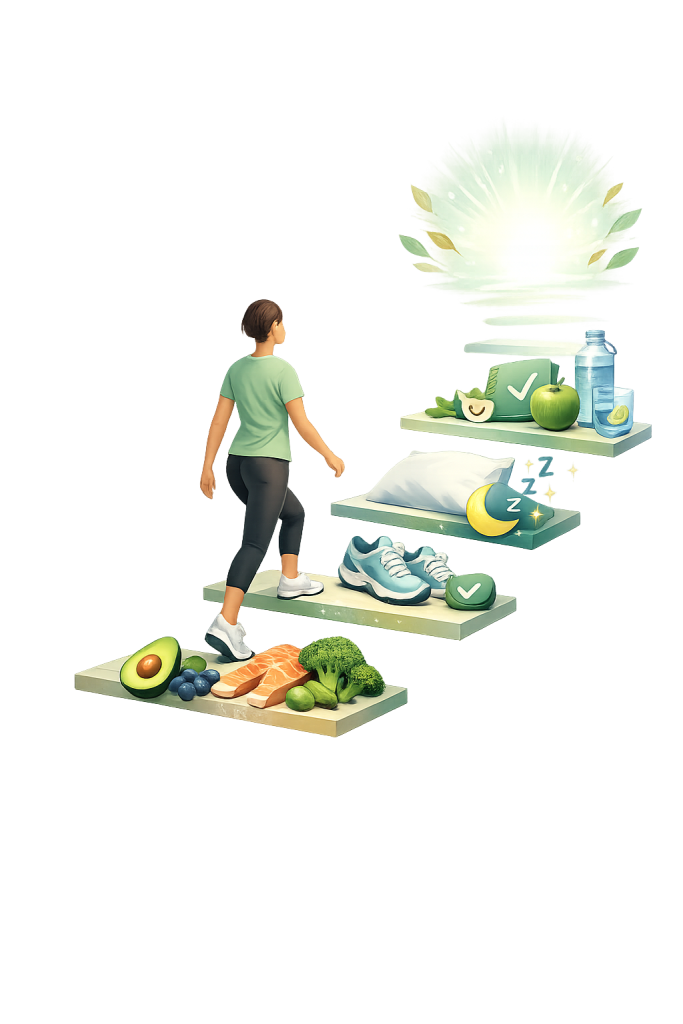
Almost everyone has wished they weighed a little less. If you are completely satisfied with your weight, you are a rare individual!
Yet despite living in an age where diet books, calorie-counting apps and miracle weight-loss products are everywhere, obesity continues to rise across the world. Children are becoming overweight at younger ages, and adults are struggling more than ever to lose weight and keep it off.
The reason is simple.
Weight management is not simply about laziness or a lack of willpower.
Our genes, hormones, environment, emotions, relationships, food supply, sleep patterns and daily habits all influence the number on the scale.
Understanding how your body works is one of the most powerful tools you have. When you work with your body instead of fighting against it, lasting change becomes far more achievable.
Obesity is More Than a Number on the Scale
Being overweight or obese means having an abnormal or excessive accumulation of body fat that increases the risk of disease.
The World Health Organization describes obesity as one of the greatest public health challenges of our time.
In fact, worldwide obesity among children and adolescents has increased more than tenfold over the last few decades. This dramatic rise shows that obesity is not simply an individual problem—it reflects changes in our modern environment.
Today’s food system surrounds us with inexpensive, highly processed, energy-dense foods that are available almost everywhere and marketed exceptionally well.
Our bodies, however, have not evolved as quickly as our environment.
The Cycle So Many People Know
Many people begin a diet believing: “I’ll finally be happy once I’ve lost weight.” Unfortunately, this way of thinking often leads to disappointment.
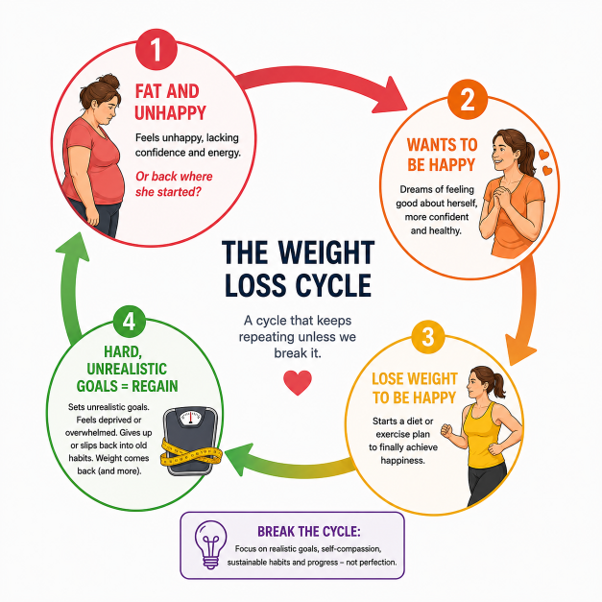
When people set unrealistic goals, follow extremely restrictive diets, or expect rapid changes, they often become discouraged. Weight returns, confidence drops, and the cycle begins again.
Breaking this cycle starts with changing the goal.
Rather than chasing a number on the scale, aim to become healthier, stronger, more energetic and more confident. Weight loss then becomes a positive side effect rather than the only measure of success.
Where Does Fat Go?
When we consistently consume more energy than we use, the body stores the excess as fat.
The safest storage site is adipose tissue, commonly known as body fat.
However, when adipose tissue becomes overwhelmed, fat begins accumulating in places where it was never meant to be stored, including the liver, heart and pancreas.
This is called ectopic fat, and it interferes with normal metabolism, increasing the risk of insulin resistance, fatty liver disease, chronic inflammation and cardiovascular disease.
Men and Women Store Fat Differently
One fascinating aspect of human biology is that men and women usually store fat differently.
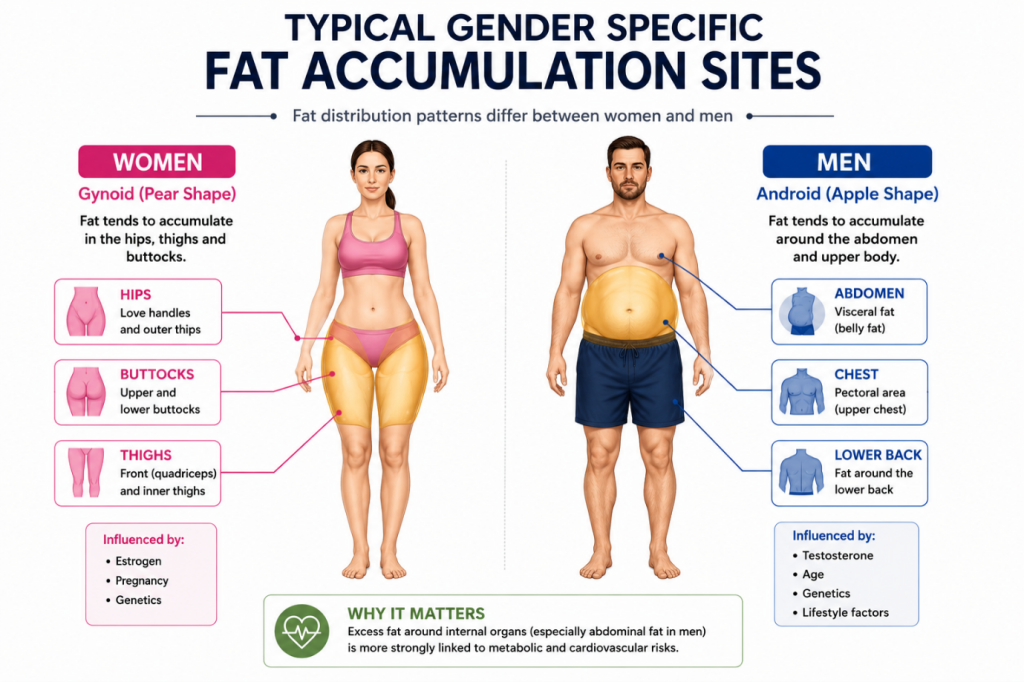
Women generally accumulate more fat around the:
- hips
- thighs
- buttocks
- breasts
Men are more likely to accumulate fat around the abdomen.
This abdominal fat often includes visceral fat. This is fat stored deep around the internal organs. Visceral fat is particularly concerning because it is metabolically active. It releases inflammatory chemicals and contributes to insulin resistance, high blood pressure, abnormal cholesterol levels and an increased risk of type 2 diabetes and heart disease.
It is also important to remember that someone can appear slim while still carrying unhealthy amounts of visceral fat. Looking thin does not automatically mean being healthy.
Your Body Is Not Working Against You
Many people believe their body is “broken.” In reality, your body is doing exactly what it was designed to do. Thousands of years ago, food shortages were common. Human survival depended on storing excess energy whenever food was available. That survival mechanism still exists today.
Unfortunately, we now live in a world where food is available almost all the time.
Genes certainly influence body weight, but genes are not destiny. Our daily habits influence how those genes are expressed, a process known as epigenetics.
Physical activity, nutritious foods, quality sleep and stress management can all positively influence this process.

Hormones Matter
Weight management is regulated by an intricate network of hormones.
- Leptin tells the brain when enough energy has been stored.
- Ghrelin stimulates hunger.
Poor sleep, chronic stress and highly processed foods can disrupt these natural signals, making it far more difficult to recognise true hunger and fullness.
This is one reason why simply telling someone to “eat less” rarely solves the problem.
Your Environment Shapes Your Choices
None of us makes food choices in isolation. Our homes, workplaces, families, friends, advertising and even supermarket layouts influence what we eat.
This is known as an obesogenic environment, an environment that encourages overeating while discouraging physical activity.
High calorie foods, readily available, relatively inexpensive and heavily advertised as well as tasty! The result? Overeating. We eat more meals, more frequently, and larger portions.
Technology also replaced activity and “steals” time that should have been used being active! Some obese people eat less that active people, but due to inactivity they do not expand the energy consumed.
The solution is not perfection. It is creating an environment that makes healthier choices the easier choices.
Forget Quick Fixes
Research consistently shows that successful long-term weight management combines:
- nutritious eating
- regular physical activity
- good sleep
- stress management
- realistic goals
- social support
Crash diets may produce rapid results, but they are difficult to sustain.
Losing approximately 0.5 to 1 kg per week, or 5–10% of body weight over six months, produces meaningful improvements in blood pressure, blood sugar control, mobility and quality of life. To achieve this, you need a calorie deficit of 500 – 750 calories per day, which should be because of increased activity as well as decrease energy.
Small Changes Create Big Results
Rather than trying to change everything overnight, focus on one new habit at a time.
Did you know:
Skipping breakfast is a risk for obesity. A regular breakfast was found to decrease BMI, blood pressure and blood lipids. A protein-rich breakfast further improves satiety and diet quality. Aim for a big breakfast, medium lunch and small dinner
Some of the most effective habits include:
- Eating Patterns: Include food that you like or can learn to love, and that is within your means, and embrace it! Eat enough to not feel starved and deprived (not less than 1,200 calories/day). Less will lead to binge eating. Focus on whole foods, healthy cuts and low-fat options.
- Portions Size: Confucius said, “Eat until you are 80% full”. You are not expected to clear your plate. Learn to listen to internal clues of hunger and satiety.
- Slow Down: Take small bites and chew thoroughly to give hormones a chance to signal satiety and the pleasure center in the brain to be activated (if no/low gratification, tend to overeat).
- Lower Energy Density: Choose grapes rather than raisins (volumetrics). You can enjoy a balanced, full place of whole foods, or a small serving of French fries at the same calorie cost!
- Plant Based Foods: It helps with weight management and improves inflammation that accompanies obesity. It offers vitamins and minerals as well as fiber, leaving you feeling full for longer. It eases hunger and promotes satiety.
- Choose Fats Sensibly: Lower energy intake by lowering fat intake. Choose fat fee to notably reduce energy intake.
- Select Carbs Carefully: Low carb diets work only when energy in is less than energy out! Limit foods with added sugars, of opt for artificial sweeteners.
- Watch For Other Empty Calories: These include fats, sugar, as well as alcohol – it adds calories, but also disproportionately contributes to visceral fat. Alcohol also reduces a person’s inhibitions and can lead to excessive eating.
Physical Activity
Exercise reduces abdominal obesity and improves blood pressure, insulin resistance and cardiorespiratory fitness. Aim for 200 – 300 minutes of moderately intense physical activity a week added to the activities of daily living. You will lose fat, retain more muscle and regain less weight than those who only diet.
- Activity speeds up metabolism
- Appetite is suppressed after exercise as body stores are released and glucose and fatty acids are abundant in the blood.
- Exercise curbs cravings due to boredom, anxiety and depression – it passes time, relieves anxiety and prevents inappropriate eating
- Look and feel healthy! Exercise will improve your self-esteem and motivation you to continue.
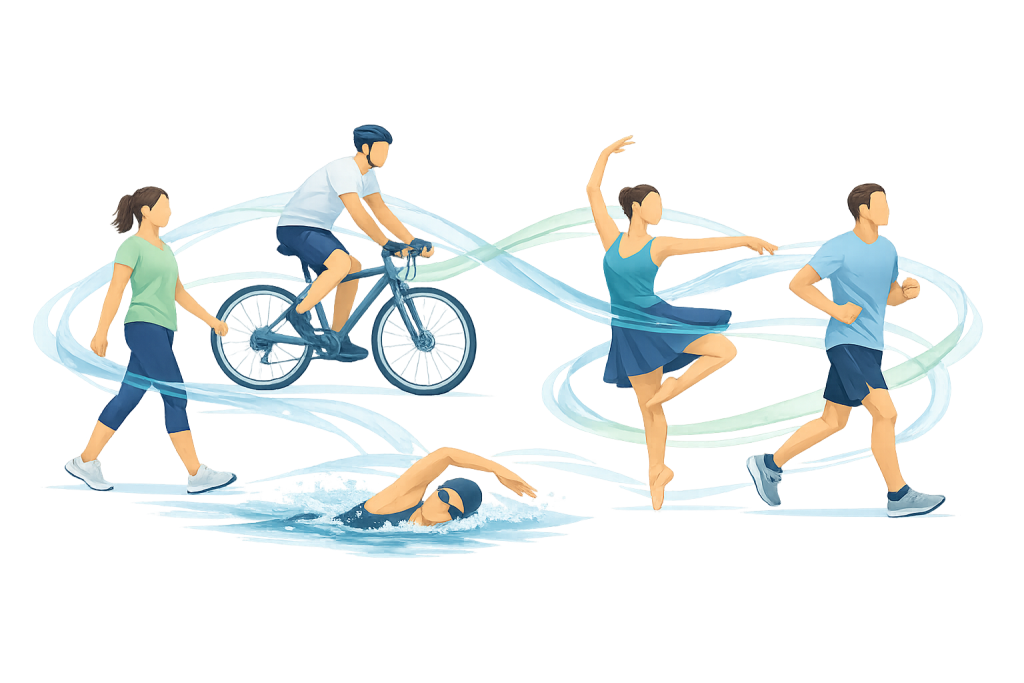
Walk, run, swim, dance, cycle, skip climbing: Choose what you enjoy and do regularly. Anything is better than nothing!
Your Metabolism Is Listening
Many people believe eating very little will speed up weight loss. Ironically, the opposite often happens.
When calorie intake becomes too low for prolonged periods, the body adapts by conserving energy.
The goal is not to starve your metabolism but to nourish it. Whole foods, adequate protein, regular movement and resistance exercise help preserve muscle while encouraging a healthier metabolism over time.
Patience is essential. Healthy metabolism is built over months—not days.
Your Mind Matters Too
Our thoughts influence our physiology!
Enjoying food without guilt, eating mindfully, reducing stress and developing self-compassion all influence hormones involved in appetite, digestion and metabolism.
Nutritional psychologist Marc David summarises it beautifully:
“It’s time to relax into weight loss.”
Healthy eating should never become punishment. Food should nourish both body and mind.

Let’s Break the Cycle
Weight management is not about becoming someone else. It is about becoming the healthiest version of yourself.
Your genes may influence where you begin, but they do not determine where you finish.
Progress is built one meal, one walk, one night’s sleep and one healthy decision at a time.
Forget perfection.
Celebrate consistency.
Work with your body instead of against it.
The goal is not simply to lose weight. It is to gain health, confidence, energy and a life you can enjoy.