
Protein Power:
The Ultimate Guide to the Body's Building Blocks
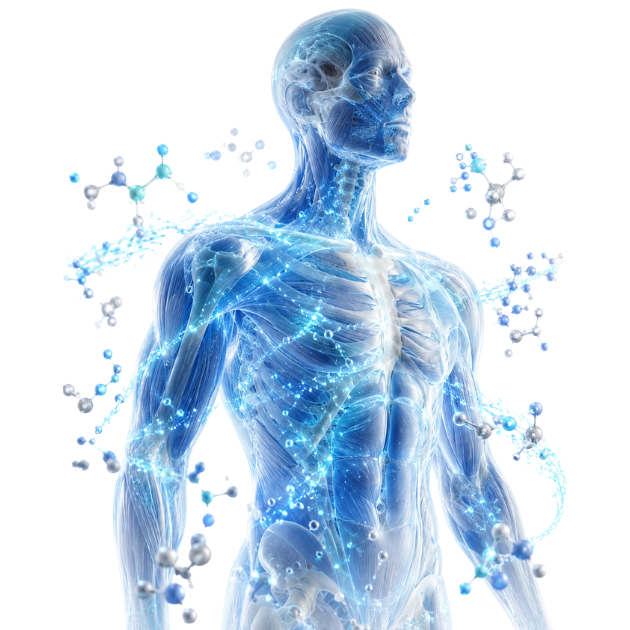
Proteins are the workhorses of the human body. While carbohydrates and lipids get a lot of attention, protein is the literal structural framework of our physical existence. Here is a deep dive into what protein is, how it works, and how to optimize your intake for vibrant health.
The Chemistry of Protein
At a chemical level, proteins are more complex than other macronutrients. Like carbohydrates and lipids, they are made of carbon, hydrogen, and oxygen. However, proteins also contain a nitrogen atom, and some even feature sulfur atoms.
How these atoms are arranged determines which specific amino acid is formed.
What Are Amino Acids?
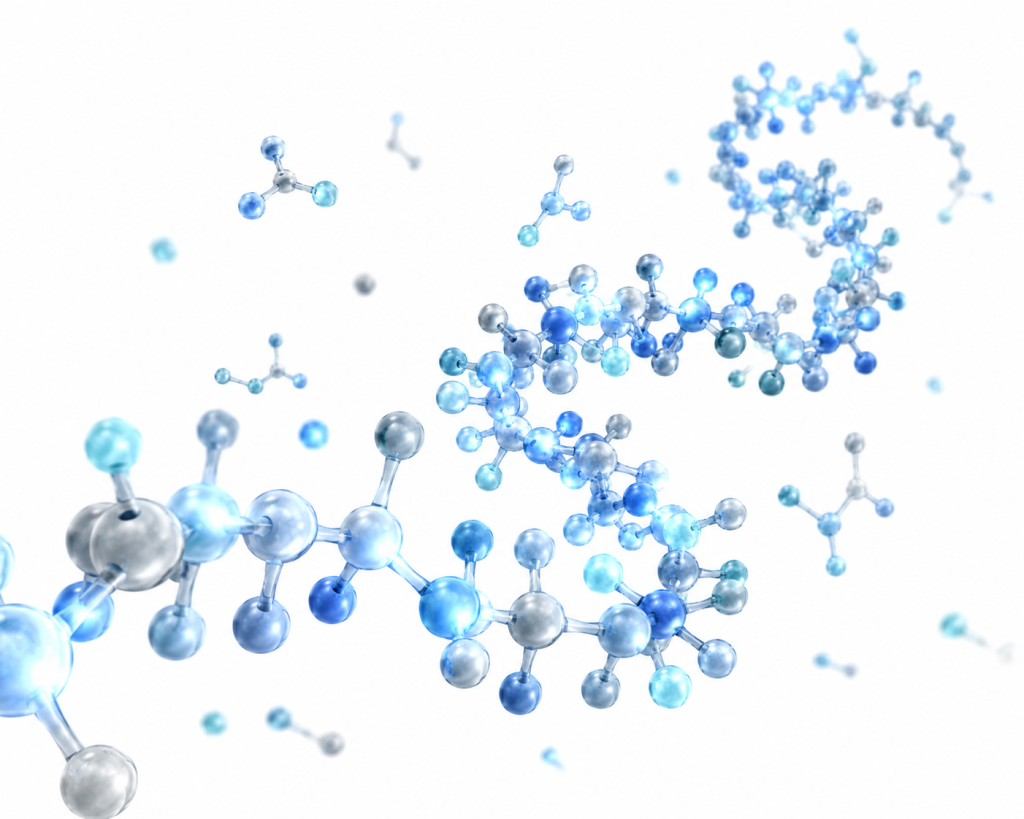
Amino acids are the building blocks of protein. Every amino acid shares a common basic structure consisting of:
- A central carbon atom
- A hydrogen atom
- An amino group (containing nitrogen)
- An acid group
- A distinctive side group (or “R-group”)
The side group is what makes each amino acid unique. It dictates the amino acid’s size, shape, electrical charge, and behaviour.
Essential vs. Non-Essential Amino Acids
There are 20 primary amino acids that our bodies use to build proteins. They fall into two main categories:
- Essential Amino Acids (EAAs)
The body cannot synthesize these amino acids at all, or cannot make them in sufficient quantities to meet its needs. Therefore, they must be obtained through your diet.
There are 9 essential amino acids Histidine, Isoleucine, Leucine, Lysine, Methionine, Phenylalanine, Threonine, Tryptophan, and Valine
- Non-Essential Amino Acids
The body can manufacture these on its own using nitrogen and fragments of carbohydrates or fats.
These include Alanine, Arginine, Asparagine, Aspartic Acid, Cysteine, Glutamic Acid, Glutamine, Glycine, Proline, Serine, and Tyrosine.
From Chains to Structures: How Proteins Are Made
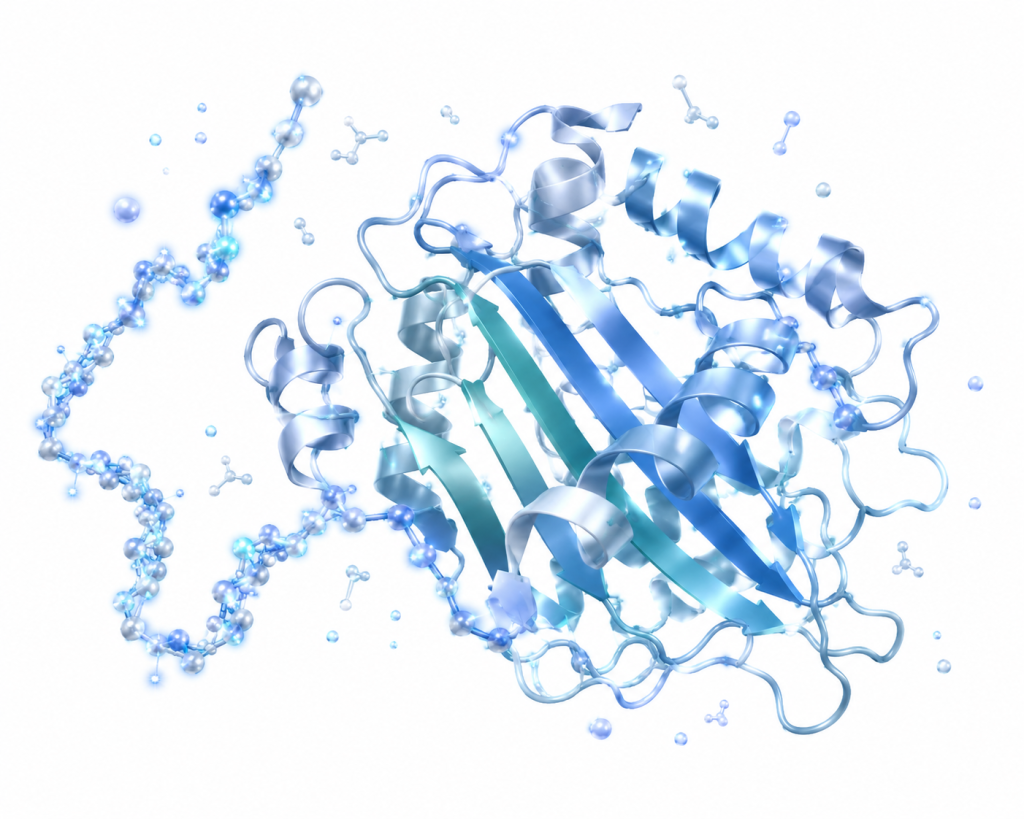
To build a protein, cells link amino acids together end-to-end using peptide bonds, forming long chains called polypeptides. These chains do not remain straight. Instead, they fold into complex, functional shapes, twisting into helices or folding into pleated sheets. These intricate three-dimensional structures determine the protein’s function. Some proteins are long, linear, and incredibly strong, such as collagen in tendons, which can be up to ten times longer than it is wide, while others are spherical and flexible, allowing them to transport substances throughout the body.
Some proteins consist of more than one polypeptide chain. When multiple folded polypeptides join together, they form a quaternary structure. A classic example is haemoglobin, a large, globular protein found in red blood cells. It consists of four polypeptide chains, each containing an iron atom that binds oxygen, enabling haemoglobin to transport oxygen efficiently throughout the bloodstream.
The Phenomenon of Denaturation
Proteins are highly sensitive to their environment. When subjected to heat, acid, or other harsh conditions, they undergo denaturation.
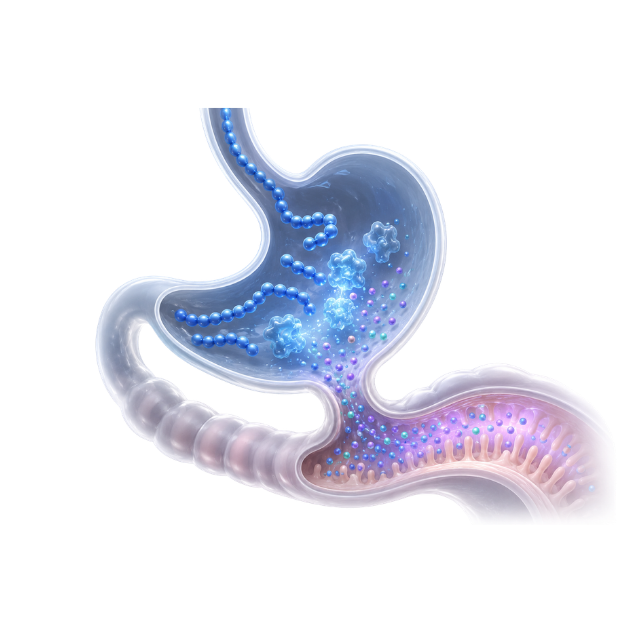
Think of cooking an egg: the clear, liquid egg white turns firm and opaque because the heat causes the protein structures to uncoil and lose their shape. Once a protein loses its shape, it also loses its ability to function. In the human body, denaturation is a crucial first step of digestion, occurring when stomach acid uncoils dietary proteins so digestive enzymes can break them down.
Did You Know?
During digestion, your body does not absorb whole proteins. It breaks them down into individual amino acids, absorbs them, and then reassembles those amino acids into the specific human proteins your body requires at that moment
“Food is not just calories, it is information. It talks to your DNA and tells it what to do. The most powerful tool to change your health, environment, and entire world is your fork.”
— Dr. Mark Hyman
Why Is Protein So Important?
Protein is not just for building big muscles. It is vital for almost every systemic function:
- Build and repair muscles after exercise or injury.
- Maintain healthy skin, hair, nails, bones, and connective tissue.
- Replace worn-out or damaged cells.
- Produce enzymes that drive thousands of chemical reactions every second.
- Manufacture hormones such as insulin, glucagon, and growth hormone.
- Produce antibodies that help fight infections.
- Transport nutrients and oxygen throughout the body.
- Maintain fluid balance.
- Help regulate the body’s acid-base (pH) balance.
- Produce neurotransmitters that support brain function and mood.
- Support blood clotting and wound healing.
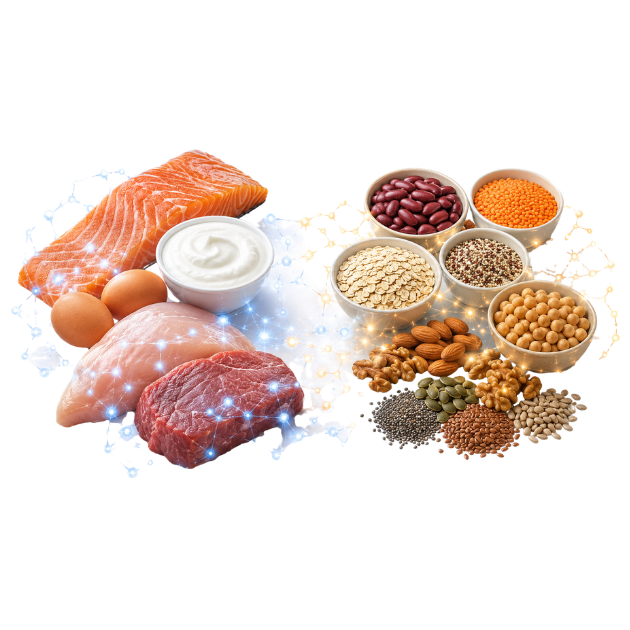
Protein in Food: Quality and Synergy
To support optimal health, we need high-quality, bioavailable proteins.
Complete vs. Incomplete Proteins
- Complete (High-Quality) Proteins: Contain all 9 essential amino acids in the proportions our bodies need. Animal-based foods (meat, fish, poultry, eggs, and dairy) are complete proteins and boast high bioavailability (90% to 99% absorption).
- Incomplete Proteins: Plant-based proteins often lack one or more essential amino acids.
The Power of Complementary Proteins
Vegetarians and vegans can easily get all their essential amino acids by combining different plant foods. When you pair two incomplete proteins, they “complement” one another to form a complete amino acid profile:
| Protein Combination | Examples |
|---|---|
| Grains + Legumes | Rice and beans, peanut butter toast |
| Legumes + Nuts/Seeds | Hummus (chickpeas and tahini/sesame paste) |
| Nuts/Seeds + Grains | Oatmeal topped with pumpkin seeds |
Notice how legumes (beans, lentils, peas) are the common denominator in almost every successful plant-protein pairing!
Protein Deficiency
When your diet lacks protein or essential amino acids, your body cannot synthesize new proteins. To compensate, it begins degrading its own tissues. This leads to slowed growth, muscle wasting, impaired brain and kidney function, weakened immunity, and poor nutrient absorption.
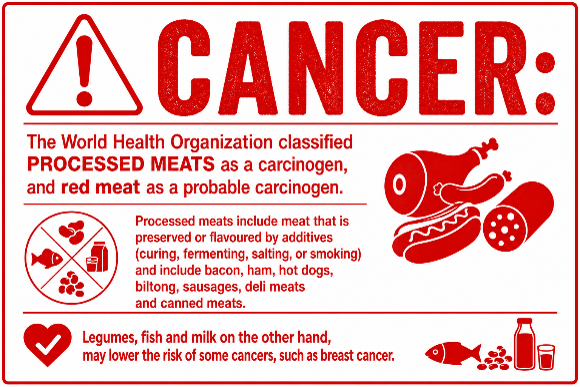
Excessive Protein Intake
While protein is vital, consuming it in extreme excess also poses risks:
- Calcium Excretion: While protein is necessary for bone health, excessive intake can increase the rate of calcium excretion in urine, potentially impacting bone density over time.
- Kidney Load: Protein metabolism produces urea, a waste product excreted by the kidneys. While a high-protein diet does not cause kidney disease in healthy individuals, it can accelerate kidney decline in those with pre-existing conditions.
- Weight Gain: Muscles only consist of about 22% protein. No matter how much steak or eggs you pile onto your plate, your body can only use a certain amount of protein for muscle synthesis at one time. Once your muscles are saturated, the excess amino acids are deaminated and converted into adipose tissue (body fat).
Daily Protein Requirements
How much protein do you actually need?
General Daily Guidelines
- The Sedentary Adult RDI: 0.8g per kilogram of body weight (averaging about 10% to 35% of your total daily energy intake).
- Per Meal Target: Aiming for 25 to 35 grams of high-quality protein per meal is the sweet spot to stimulate muscle protein synthesis throughout the day.
- Pregnancy: To support the growing baby, the daily requirement increases, aiming for a baseline of about 60 grams per day.
Age-Specific Recommendations
- Children (1–3 years): ~14 grams per day.
- Children (4–8 years): ~20 grams per day.
- Teenagers: Typically require adult-level intake to support rapid growth spurts.
Athletes and Active Individuals
Athletes require significantly more protein to repair and rebuild muscle fibers:
- Target 1.5 to 2.2 grams per kilogram of body weight, depending on training intensity and sport.
USDA Dietary Breakdown Suggestions
To keep your fat intake in check, the USDA suggests distributing animal and plant protein sources across your diet as follows:
- Seafood: 20%
- Meat, Poultry, Eggs: 70% (Opt for lean cuts, trim visible fat, drain meat after cooking, and remove poultry skin)
- Nuts, Seeds, Legumes: 10%
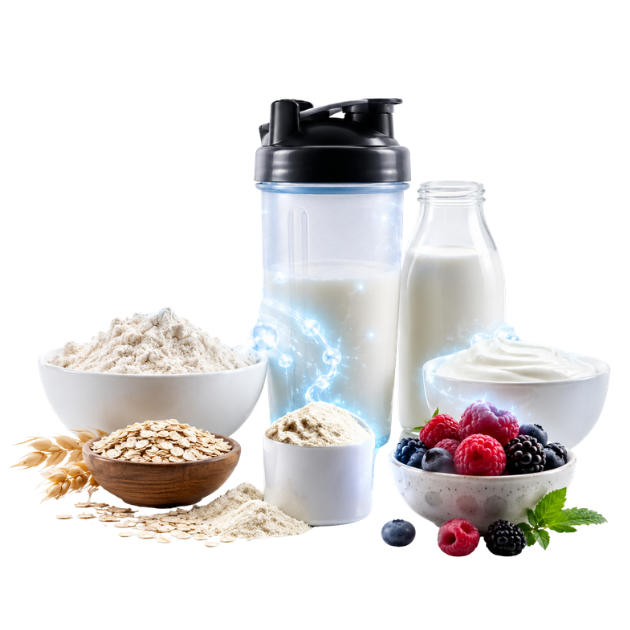
Smart Supplementation
Whole foods should always be your primary source of nutrition because they come packed with essential vitamins, minerals, and fiber. However, supplements can be useful tools under the right circumstances.
Protein Powder
Convenient for athletes immediately post-workout (especially resistance training) to jumpstart muscle recovery.
- Whey Protein: A byproduct of cheese manufacturing. It is a complete protein, digests exceptionally quickly, and is rich in leucine (the key amino acid that triggers muscle growth). Tip: When buying, check the labels to avoid products loaded with excess sugar, sodium, or artificial fillers such as cholesterol.
Single Amino Acid Supplements
The body is designed to digest whole proteins; loading up on isolated, single amino acid supplements can overwhelm your digestive transport systems, causing diarrhea or blocking the absorption of other vital amino acids. However, specific targeted uses exist:
- BCAAs (Branched-Chain Amino Acids): Taken shortly after exercise, they can support protein synthesis and reduce muscle soreness.
- Lysine (Max 3g/day): Often used to help manage herpes simplex cold sores and plays a role in collagen formation.
- Tryptophan (Max 5g/day): Assists in the production of serotonin and melatonin, helping to regulate mood, combat depression, and improve sleep.